Understanding the Challenges of Wind Turbine Blade Transportation
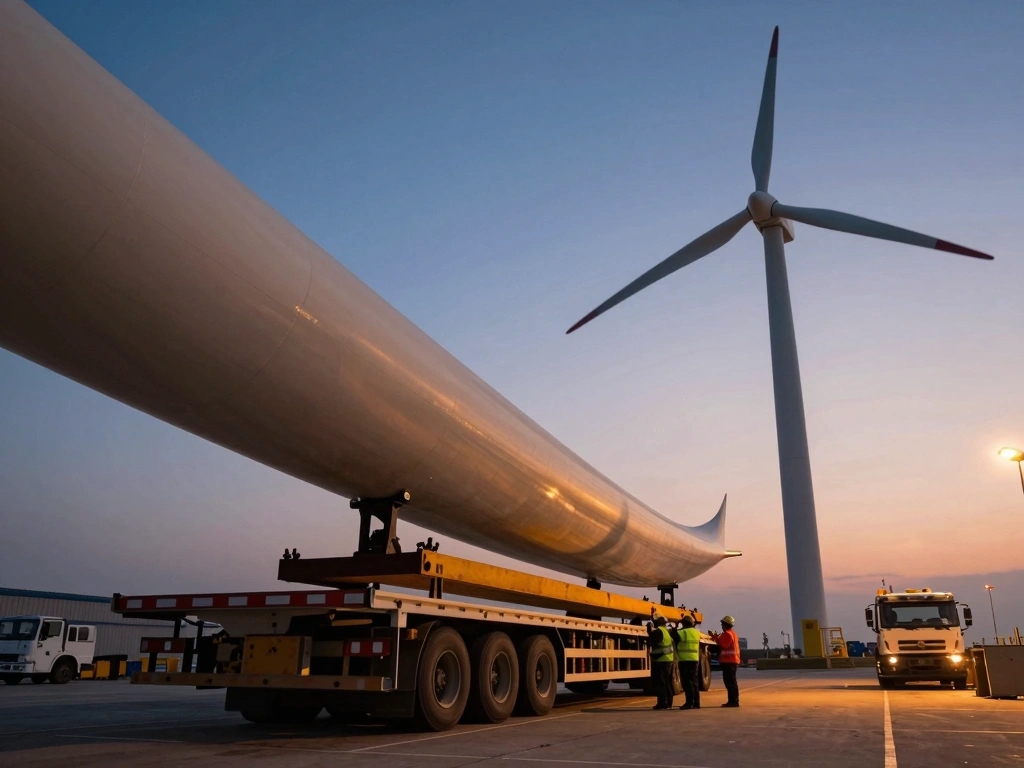
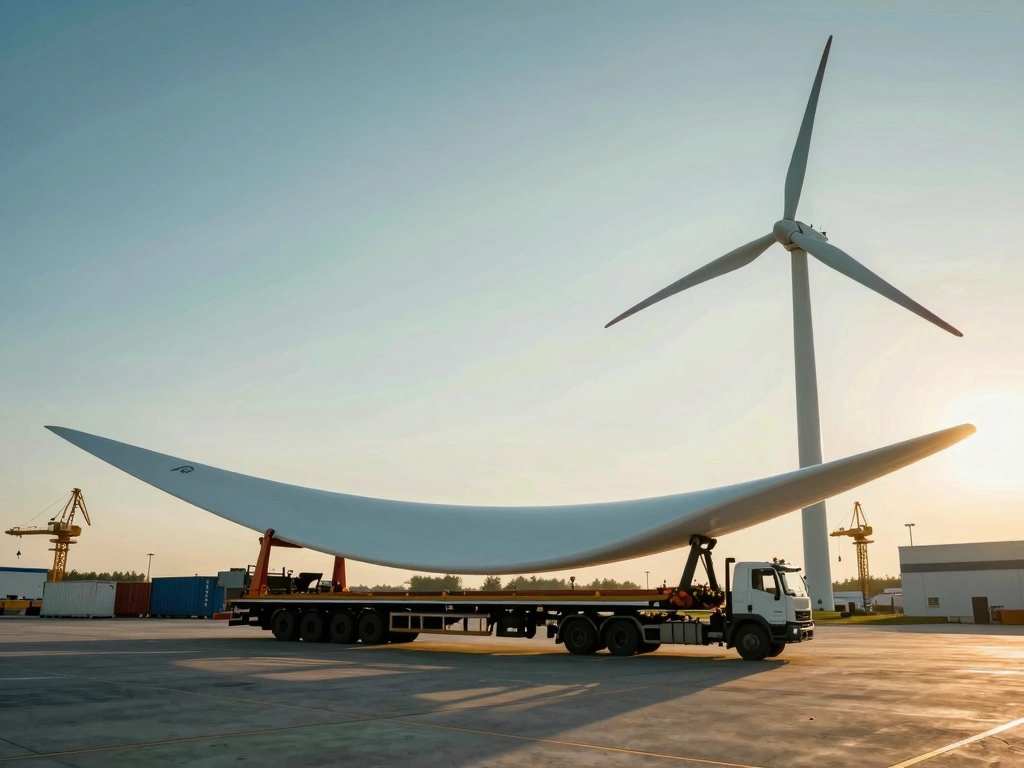
Transporting wind turbine blades poses numerous challenges that require careful planning and innovative solutions. As the renewable energy sector continues to expand, particularly in wind energy, addressing these logistics challenges is critical for the efficiency and effectiveness of wind farm projects.
Geographical Constraints and Infrastructure Limitations
Wind turbine blades can exceed lengths of 60 meters (approximately 197 feet) and weigh several tons, making their transportation subject to a myriad of geographical constraints. Rural areas, where wind farms are typically located, often lack the necessary infrastructure to accommodate large-scale transport. For instance, narrow roads, low bridges, and sharp turns can hinder the movement of oversized loads. In the U.S., states like Texas and Iowa have seen significant wind energy growth, but their rural road networks were not initially designed for the transport of such massive components. This necessitates extensive route planning and sometimes the construction of temporary access roads to facilitate the movement of turbine blades. Additionally, geographical features such as mountains, rivers, and urban areas can complicate logistics. In regions like the Rocky Mountains, transporting turbine blades requires navigating steep inclines and tight turns, which can significantly increase transit times and costs.
Size and Weight Considerations of Blade Design
The design of wind turbine blades has evolved significantly over the years, with advances in aerodynamics and materials leading to longer and lighter blades. However, this innovation also introduces transportation challenges. For instance, a typical turbine blade can weigh anywhere from 10,000 to 20,000 pounds (4,500 to 9,000 kg). This weight, combined with the length, results in substantial demands on transportation vehicles. Specialized transport vehicles, such as extendable flatbed trucks, are often required to carry these massive components safely. These vehicles need to be equipped with the necessary permits and safety measures to operate on public roads, which can lead to delays and increased costs. Moreover, the risk of damage to the blades during transit necessitates additional protective measures, further complicating logistics.
Regulatory and Permitting Hurdles
Navigating the regulatory landscape is another significant challenge in wind turbine blade transportation. Permits are typically required for oversized loads, and the process can vary widely from state to state or country to country. In some instances, permits can take weeks or even months to secure, causing delays in project timelines. For example, in the United States, each state has its own Department of Transportation regulations regarding oversized loads. Transportation companies must often coordinate with local authorities to ensure compliance, which can lead to additional layers of bureaucracy. Furthermore, special escorts may be necessary for certain routes, adding to the overall cost and complexity of transportation logistics.
Innovative Solutions for Efficient Transportation
To overcome the challenges associated with wind turbine blade transportation, the industry has started implementing innovative solutions that enhance efficiency and reduce costs.
Modular Transport Systems and Their Advantages
One promising solution is the use of modular transport systems. These systems allow for the disassembly of turbine blades into smaller, more manageable sections that can be transported separately. For example, a modular system developed by companies like Arianespace enables the transport of turbine components by breaking them down into segments that fit standard transport vehicles. This approach not only simplifies logistics but also reduces the need for specialized oversized transport vehicles. Furthermore, modular designs can improve the adaptability of transportation routes, allowing for easier navigation through difficult terrains and urban areas.
Use of Advanced Materials for Reduced Weight
Another area of innovation lies in the materials used for blade construction. The introduction of advanced composites, such as carbon fiber and lightweight thermoplastics, has led to blades that are not only longer but also lighter. For instance, GE Renewable Energy has utilized advanced materials to produce blades that weigh up to 30% less than traditional fiberglass blades. Reducing blade weight directly impacts transportation logistics by enabling the use of standard transport vehicles and reducing fuel consumption during transit. Lighter blades can also mitigate structural stresses, lowering the risk of damage during transportation.
Leveraging Technology for Route Optimization
The integration of technology in logistics management has revolutionized route planning for wind turbine blade transportation. Advanced software solutions can analyze various data points, including road conditions, traffic patterns, and geographical features, to determine the most efficient routes. For example, GPS tracking systems and real-time traffic updates allow transport companies to adapt their routes dynamically, avoiding delays and ensuring timely deliveries. Companies like Siemens Gamesa have begun employing these technologies, resulting in significant time and cost savings during the transportation of turbine blades.
Collaboration Across the Supply Chain
Successful transportation logistics require collaboration across the entire supply chain. Engaging with local authorities, logistics providers, and manufacturers can streamline the process and enhance overall efficiency.
Engaging with Local Authorities and Stakeholders
Establishing strong relationships with local authorities and stakeholders is crucial in navigating the regulatory landscape. By engaging with city planners, transportation departments, and community leaders early in the project, companies can identify potential obstacles and work collaboratively to find solutions. For instance, prior to the transportation of turbine blades to a new wind farm site, companies can conduct community outreach to inform residents about the logistics process. This proactive approach can help mitigate concerns and foster a supportive environment for transportation efforts.
Partnerships with Logistics Providers
Forming partnerships with experienced logistics providers can significantly enhance the efficiency of blade transportation. These providers possess specialized knowledge of local regulations and have established networks that can facilitate smoother transit. For example, partnerships with companies like A. Duie Pyle, which specializes in oversized freight, can provide access to the necessary equipment and expertise needed for transporting wind turbine blades. These collaborations can also lead to shared resources, reducing overall costs.
Streamlining Communication Between Manufacturers and Transporters
Effective communication between manufacturers and transporters is essential to ensure that all parties are aligned on project timelines, specifications, and transportation requirements. Implementing a centralized communication platform can facilitate information sharing and minimize misunderstandings. For instance, using tools like project management software allows manufacturers to update transporters on production schedules and any last-minute changes, ensuring that logistics plans remain flexible and adaptable.
Case Studies of Successful Transportation Strategies
Examining real-world examples of successful transportation strategies can provide valuable insights into best practices and potential pitfalls.
Analysis of Leading Wind Farm Projects
One notable case is the Hornsea One project in the UK, which is one of the largest offshore wind farms in the world. The project involved the transportation of numerous turbine blades, each measuring over 75 meters (approximately 246 feet) in length. The logistics team implemented a comprehensive strategy that included modular transport systems and partnerships with local logistics providers, resulting in timely and efficient deliveries. Another example is the Alta Wind Energy Center in California, where the transportation of blades was facilitated by the use of advanced GPS tracking systems that allowed for real-time route adjustments. This adaptability proved critical in navigating California's challenging terrain.
Lessons Learned from Transportation Failures
Despite the success stories, there are also valuable lessons to be learned from transportation failures. A notable incident occurred in 2017 when several turbine blades were damaged during transit in Texas due to inadequate route planning and unexpected weather conditions. This incident resulted in significant delays and additional costs for the project. Careful analysis of such failures emphasizes the importance of thorough risk assessments, route planning, and contingency measures to mitigate potential issues.
Best Practices from Industry Leaders
Industry leaders have developed best practices that can serve as a model for efficient transportation logistics. Key strategies include:
- Investing in technology: Utilizing advanced logistics software for route optimization and real-time tracking.
- Building partnerships: Collaborating with experienced logistics providers and engaging with local authorities.
- Implementing modular designs: Adopting modular transport systems to facilitate easier movement of oversized components.
These practices have been successfully implemented by companies like Vestas and Siemens Gamesa, leading to improved efficiency in their logistics operations.
Future Trends in Wind Turbine Blade Transportation
As the wind energy industry continues to evolve, several trends are shaping the future of turbine blade transportation logistics.
Emerging Technologies in Transportation Logistics
Emerging technologies, such as autonomous vehicles and drones, are beginning to influence logistics in the wind energy sector. These innovations have the potential to transform how turbine blades are transported by increasing efficiency and reducing reliance on human labor. For example, autonomous trucks equipped with advanced navigation systems could navigate complex routes without human intervention, minimizing delays and enhancing safety.
Sustainability Considerations and Eco-Friendly Practices
Sustainability is becoming a central focus in transportation logistics, with a growing emphasis on reducing the carbon footprint of logistics operations. Utilizing electric or hybrid vehicles for the transport of turbine blades is one way to achieve this goal. Additionally, companies are exploring ways to repurpose materials from decommissioned wind turbine blades, further promoting eco-friendly practices within the industry.
The Impact of Global Supply Chain Changes on Logistics
Global supply chain changes, accelerated by the COVID-19 pandemic, have prompted companies to reevaluate their logistics strategies. Issues such as port congestion, labor shortages, and increased transportation costs have highlighted the need for more resilient supply chains. To address these challenges, wind energy companies are diversifying their supply chains and investing in local manufacturing facilities to reduce dependence on global suppliers. This shift can lead to more efficient transportation logistics and greater flexibility in responding to market demands.